
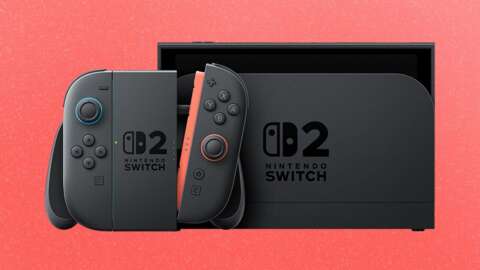
Nintendo has confirmed that the Switch 2 will cost more starting in September, with the console’s US price rising from $450 to $500. The company says the increase is necessary, but it also admits that the new price still does not fully offset the growing costs tied to manufacturing and bringing the system to market. That means consumers will be paying more for the hardware, while Nintendo continues to absorb part of the financial pressure behind the scenes.
Company president Shuntaro Furukawa addressed the decision during Nintendo’s latest financial results presentation, offering an apology to customers who may be frustrated by the sudden jump in price. According to Furukawa, Nintendo had hoped to keep the system more affordable in order to encourage broad adoption early in its life cycle. However, the company says that strategy became increasingly difficult to maintain as production expenses continued to rise over time.
Nintendo’s explanation reflects a wider problem affecting the tech and gaming industries. Hardware makers have been dealing with a combination of supply shortages, currency weakness, and higher energy and transportation costs. Key components remain expensive, and fluctuations in global markets have made it harder for companies to predict long-term pricing. In Nintendo’s case, a weaker yen and rising oil prices were specifically cited as major reasons behind the decision to raise the cost of the console.
Even with those challenges, Nintendo appears aware that a higher retail price could make it harder for some players to buy into the new platform. A $500 console is a significant purchase, especially for families, younger players, and anyone already feeling the impact of broader inflation. Furukawa acknowledged that the increase could create another barrier to entry, which is a notable admission from a company that has often positioned its hardware as more accessible than some competitors.
To counter that concern, Nintendo is leaning heavily on software. The company believes that a strong lineup of games will help justify the higher cost and make the system feel like a worthwhile investment. That strategy makes sense, because Nintendo platforms have traditionally lived or died based on the appeal of their exclusive games rather than raw technical power alone. If the company can deliver a steady stream of major releases, many players may still see value in the system despite the increased upfront cost.
Several upcoming titles are expected to help support that argument in the months ahead. Among the games mentioned are Yoshi and the Mysterious Book, Starfox, and Splatoon Raiders. Those releases give Nintendo a mix of family-friendly appeal, recognizable legacy branding, and multiplayer energy. If those games launch strongly and are well received, they could soften the blow of the price increase by giving buyers more immediate reasons to jump into the ecosystem.
Still, the broader issue goes beyond one company or one console. Across the gaming business, hardware has become more expensive, and that trend is raising concerns about who can realistically afford to stay current. As prices rise for consoles, accessories, and even software, the total cost of participating in modern gaming keeps climbing. For many households, buying a new system is no longer a casual entertainment purchase but a major budgeting decision.
That shift has fueled worries that gaming hardware is becoming less accessible to average consumers. If premium pricing becomes the norm, the audience for new consoles could narrow over time, with wealthier households making up a larger share of early adopters and long-term buyers. That would be a meaningful change for an industry that has long thrived on mass-market appeal.
For Nintendo, the challenge now is balancing profitability with accessibility. The company clearly wants the Switch 2 to reach a wide audience, but it is operating in an environment where keeping prices low is increasingly difficult. By admitting that even the new MSRP does not fully cover rising costs, Nintendo is signaling that the pressure is real and ongoing, not just a temporary adjustment.
Whether players accept the higher price will likely depend on how compelling the Switch 2 feels once the upcoming software slate arrives. If Nintendo can deliver memorable exclusives and maintain momentum, many consumers may decide the extra $50 is worth it. If not, the increase could become a sticking point in the system’s early life and a symbol of a gaming market that is getting harder to afford.
For now, one thing is clear: the era of relatively stable console pricing is looking increasingly distant. The Switch 2’s move to $500 is another sign that gaming hardware is being reshaped by economic realities, and players are the ones being asked to absorb more of that cost.
Leave a Reply
You must be logged in to post a comment.