
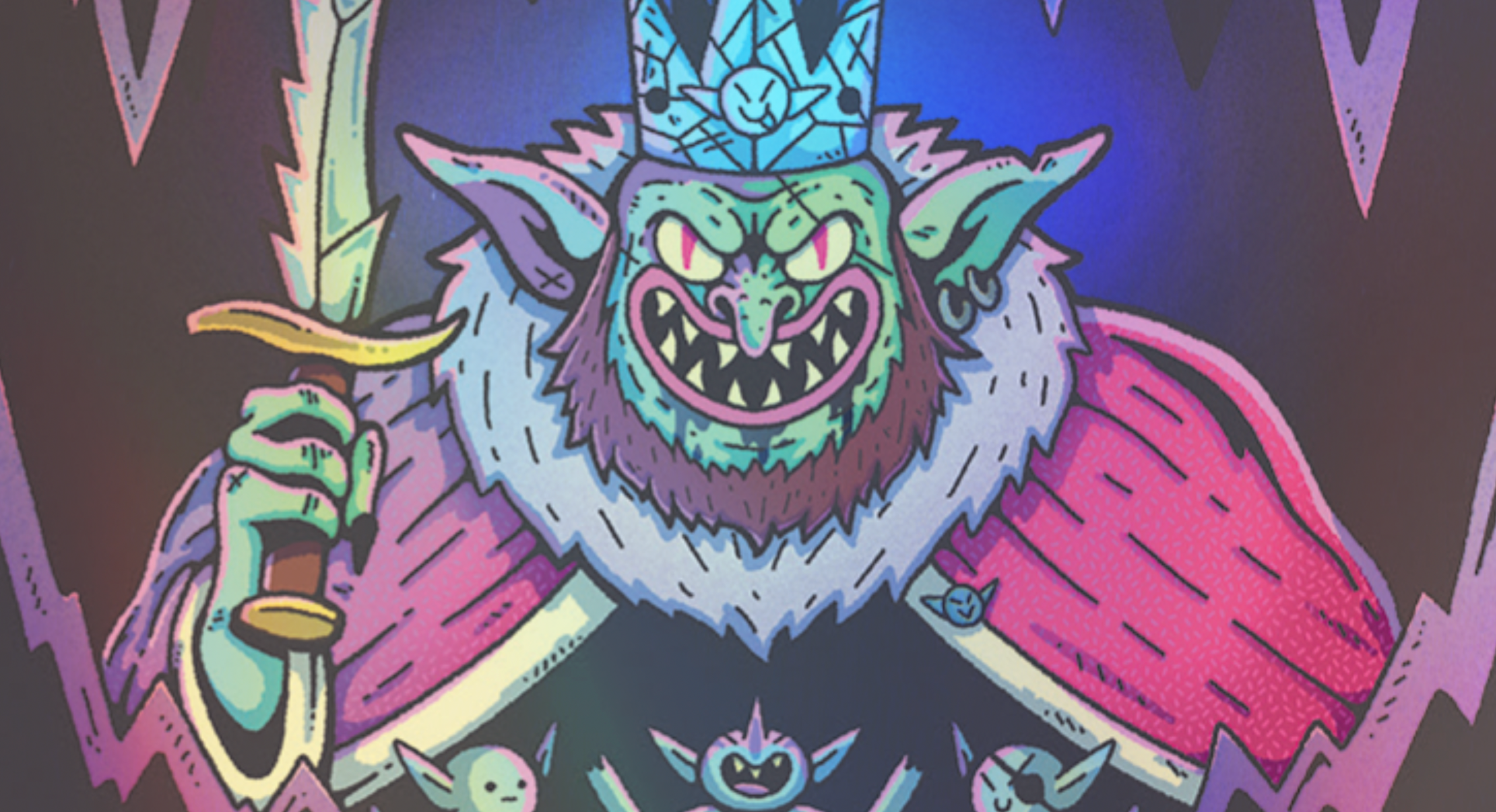
Magic: The Gathering’s latest Secret Lair release has ignited another wave of frustration among players, collectors, and even one of the people most closely tied to the product itself. The Goblin Storm Commander Deck, illustrated by Dakota Cates, better known as Wizard of Barge, sold out almost immediately after going live. What followed was a familiar and deeply unpopular pattern: fans who wanted the deck for personal use were shut out, while resale listings began appearing online at dramatically inflated prices.
The situation struck a nerve because Goblin Storm was not just another premium collectible. It was a highly anticipated release that combined strong card value with a distinctive visual style from an artist who has built a loyal following. Many players were excited by the chance to pick up a themed Commander deck with standout art, while others saw it as a fun entry point into Magic. Instead, the limited supply and rapid sellout turned the launch into another example of how difficult it has become for ordinary buyers to secure certain Secret Lair products.
What made this controversy especially notable was Cates’ public response. According to his comments online, he was unable to successfully purchase a copy of the deck during the sale, despite being the artist behind it. He explained that only one copy had been sent to him directly, and when he tried to buy another, it sold out while still in his cart. For many fans, that detail perfectly captured the absurdity of the rollout. If the artist whose name and artwork helped sell the product could not reliably buy it, what chance did the average customer have?
Cates also made it clear that the deck mattered to him for reasons beyond simply having his art featured on official cards. He viewed the release as an opportunity to bring more people into Magic, especially those who already followed his work. In his view, the product could have served as a bridge for fans who were interested in his art first and the game second. That possibility was undercut by the speed of the sellout and the immediate flood of resale listings at prices far beyond the original cost.
His frustration soon turned into a broader criticism of the Secret Lair model. In a message that quickly spread through the community, Cates encouraged upset fans to “bootleg” the entire deck rather than reward scalpers charging outrageous markups. The statement was provocative, but it resonated with many players who are tired of seeing limited-run products vanish in minutes only to reappear on secondary marketplaces for several times their retail price. With some listings reportedly reaching around $750, the anger was easy to understand.
The backlash also highlighted ongoing complaints about how these releases are handled. Fans reported issues with online queue systems, carts failing to convert into completed purchases, and general confusion during the ordering process. These complaints are not new, but each high-profile sellout seems to intensify the sense that the system favors resellers more than actual players. When a product is marketed heavily, attracts genuine enthusiasm, and then disappears before many customers can check out, the result is predictable: resentment, distrust, and another round of criticism aimed at the publisher.
At the center of this debate is the long-running argument over limited supply versus print-to-demand. Secret Lair products were once more closely associated with a model that allowed buyers a wider purchasing window, even if fulfillment took longer. That approach had its own drawbacks, including wait times that frustrated customers. Still, many players now look back on it more favorably, especially when compared with the current environment, where scarcity can create a feeding frenzy and encourage speculative buying. For critics, the biggest winners under the present system are scalpers who can secure stock early and flip it for profit.
Goblin Storm has become a flashpoint because it combines all of the issues that have haunted Secret Lair for years: artificial scarcity, technical frustrations, inflated resale prices, and a growing sense that fan enthusiasm is being exploited rather than rewarded. The fact that the artist himself publicly sided with disappointed buyers gave the controversy even more weight. Instead of defending the release strategy, he openly sympathized with fans and challenged the resale culture surrounding the deck.
Whether this incident leads to meaningful changes remains uncertain. Similar controversies have erupted before, and major adjustments have not always followed. Still, this case feels different because the criticism came not only from customers but from a creator directly involved in the product. That kind of public disapproval is harder to dismiss, especially when it reflects the same complaints the community has been voicing for years.
For now, Goblin Storm stands as another reminder of the tension between collectible hype and player accessibility in Magic: The Gathering. Fans wanted a stylish goblin-themed deck they could actually play, collect, and enjoy. Instead, many were left watching it disappear into shopping carts, resale listings, and another cycle of community outrage. If nothing else, the reaction has made one point crystal clear: players are exhausted by release strategies that turn exciting products into instant scarcity battles.
Leave a Reply
You must be logged in to post a comment.