
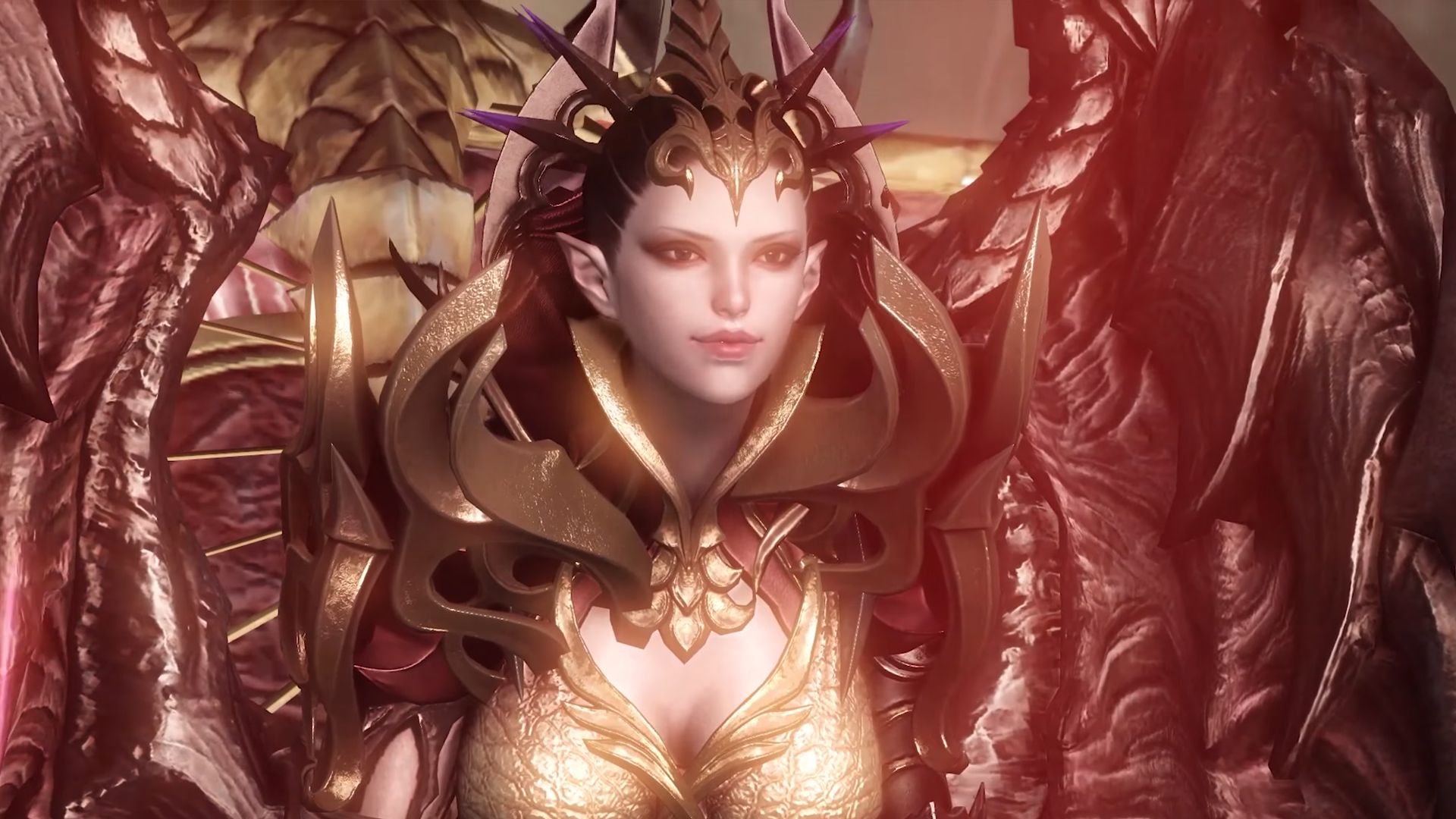
Amazon is stepping away from publishing support for two major massively multiplayer online games, with Lost Ark and Throne and Liberty both set to transition to new publishing arrangements over the next year. The change marks another significant shift in Amazon’s gaming strategy, especially for players who have followed the company’s efforts to establish itself as a major force in online games throughout the past several years.
According to announcements shared through official channels for both games, Throne and Liberty will be the first to make the move. Its publishing transition is expected to happen in the fourth quarter of 2026. Once that process is complete, publishing responsibilities will return to FirstSpark Games and NC, the company formerly known as NCSoft. For current players, the most important detail is that existing characters and accounts on both PC and consoles are expected to remain accessible after the handoff, provided users do not choose to opt out of the data transfer process.
Lost Ark will undergo a similar transition later, with the change scheduled for early 2027. In that case, Smilegate will take over western publishing duties directly. Players will be able to keep much of their progress and account-related information when the transition takes place. That includes progression as well as several identity-related elements tied to their accounts, such as ship names, playlists, and NPC names. However, not every piece of player data will carry over. Some social and communication features will be left behind during the transfer, including in-game mail content, friends lists, blacklists, guild information, stronghold-related social data, chats, messages, and memos. As with the other MMO, users will have the option to decline the transfer if they do not want their data passed along to the new publishing partner.
For players, these changes are likely to create a mix of concern and cautious optimism. On one hand, publisher transitions can be disruptive, especially in games built around long-term progression, social groups, and persistent online communities. Even when core account data remains intact, the loss of communication history, guild connections, or social lists can be frustrating for dedicated users who have spent years building relationships in-game. On the other hand, a return to companies more directly tied to each title’s development could potentially lead to clearer decision-making and more focused support in the future.
The broader context here is Amazon’s ongoing retreat from several parts of its gaming business. Earlier in the decade, the company appeared determined to become a major publisher in the MMO space. It launched New World and also helped bring high-profile online titles from Asian developers to western audiences. At the time, that strategy suggested Amazon wanted to build a lasting presence in live-service gaming, particularly in North America and Europe.
That ambition now appears to be fading. Over the past year, Amazon has steadily pulled back from multiple gaming initiatives. The company has moved away from several publishing commitments, ended support plans for certain projects, and reduced its overall footprint in game development and publishing. These latest MMO transitions fit into that larger pattern. Rather than expanding its portfolio, Amazon seems to be narrowing its focus and shedding responsibilities that once looked central to its gaming future.
Even so, Amazon has not completely exited the space. The company still has a few projects on its slate, including upcoming Tomb Raider titles and party-oriented releases connected to its Luna cloud gaming service. There has also been interest expressed in potential future James Bond game publishing opportunities. Still, compared with its earlier push into online games, the current direction feels much more selective and far less aggressive.
For Lost Ark and Throne and Liberty players, the practical impact will depend on how smoothly these transitions are handled. Communication, account migration tools, and transparency around data retention will be critical. MMO communities are especially sensitive to disruption because these games are not just products people play casually for a few hours. They are ongoing hobbies, social spaces, and in many cases long-term investments of time and money. Any change in publisher naturally raises questions about support quality, update schedules, monetization, customer service, and regional operations.
In the near term, players of both games will likely be watching for detailed transition timelines and instructions. The key concerns will revolve around what exactly transfers, what is lost, and whether the new publishing arrangements improve the overall experience. While the games themselves are not shutting down, Amazon’s departure is still a major moment for both communities and another clear sign that the company’s once-broad gaming ambitions have been scaled back considerably.
Lost Ark remains available on Windows PC, while Throne and Liberty continues to be playable on PlayStation 5, Windows PC, and Xbox Series X.


Leave a Reply
You must be logged in to post a comment.