
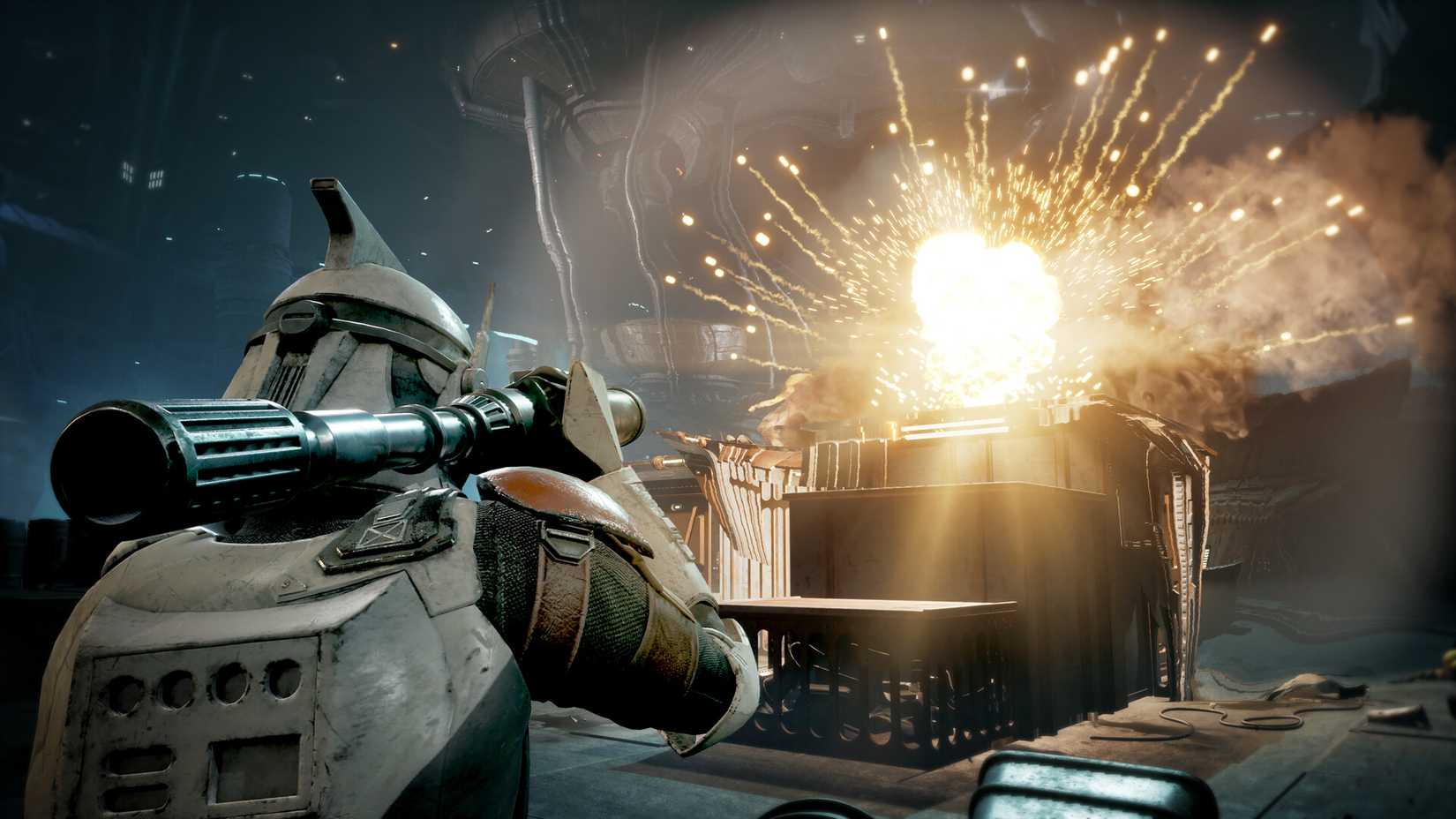
Bit Reactor, the independent studio behind Star Wars Zero Company, reportedly furloughed a large portion of its staff just weeks before the game’s release, casting a shadow over one of the most warmly received Star Wars games in recent memory. According to reports, as much as 80% of the development team was affected, leaving only a much smaller group in place to help support the title around launch.
A furlough typically means employees are temporarily removed from active work, often with reduced pay or no pay at all. It is usually seen as an emergency measure when a company is facing severe financial pressure and cannot continue normal payroll operations. In this case, the situation appears to reflect a studio that ran out of funding before it could begin earning revenue from its newly released game.
Bit Reactor confirmed that a significant part of its workforce had been furloughed. The studio also emphasized that the decision was made internally and was not directed by publisher Electronic Arts or by Lucasfilm, which oversees the Star Wars license. That distinction is important because it suggests the problem was rooted in the studio’s own finances rather than in a broader publishing or licensing dispute.
The company reportedly expressed hope that a successful launch would allow it to restore pay and bring affected employees back to work. That kind of recovery plan depends heavily on strong sales, post-launch momentum, and the ability to stabilize operations quickly. For any game studio, especially an independent one working on a major licensed property, the period around launch can be make-or-break. If expenses rise too high before revenue starts coming in, even a promising project can become financially dangerous.
Bit Reactor was founded by developers with experience at Firaxis Games, the studio known for the XCOM series. That background helped generate interest in Star Wars Zero Company, a tactics-focused game that drew attention for combining strategic gameplay with one of entertainment’s biggest franchises. The studio was also working alongside Respawn Entertainment, a company already associated with successful Star Wars titles as well as Apex Legends. On paper, the project had many reasons to inspire confidence.
Despite that, legal and financial troubles appear to have been building behind the scenes. A lawsuit involving Bit Reactor’s co-founders brought some of the studio’s internal problems into public view. The dispute centers on Alison Kelly, the former chief operating officer, and Greg Foertsch, the game’s creative director. Kelly claims she is a co-owner of the studio, while Foertsch reportedly maintains that he is the sole owner. Kelly has alleged that she was pushed out and is seeking $20 million in damages.
The lawsuit also highlighted the company’s unstable condition, noting that most employees had been furloughed and contractors had been let go. Reports indicate that only a skeleton crew remained to help the game through its launch period. That is a difficult reality for any development team, but it is especially striking in the case of a game that has earned strong reviews and positive attention from critics.
The contrast between the game’s reception and the studio’s internal turmoil makes the situation particularly bleak. Star Wars Zero Company arrived with momentum, praise, and the kind of critical response many studios hope will secure their future. Instead, the people responsible for creating it were reportedly dealing with layoffs in all but name, uncertainty about pay, and an ongoing leadership conflict.
This story also reflects a wider issue in the games industry, where even well-reviewed titles and experienced teams are not guaranteed stability. Development costs remain high, timelines are long, and studios often operate under intense pressure before a product reaches market. A strong launch can help, but it does not always erase months or years of financial strain.
For Bit Reactor, the immediate question is whether the success of Star Wars Zero Company can translate into enough revenue to reverse the furloughs and give the studio a path forward. For the affected developers, the hope is that the game they helped build can provide some measure of security after an extremely uncertain period.
What should have been a celebratory launch for a respected new tactics game has instead become a story about financial instability, legal conflict, and the fragile state of modern game development. Even with a beloved license, veteran talent, and favorable reviews, a studio can still find itself on the brink at the very moment its work reaches players.


Leave a Reply
You must be logged in to post a comment.