
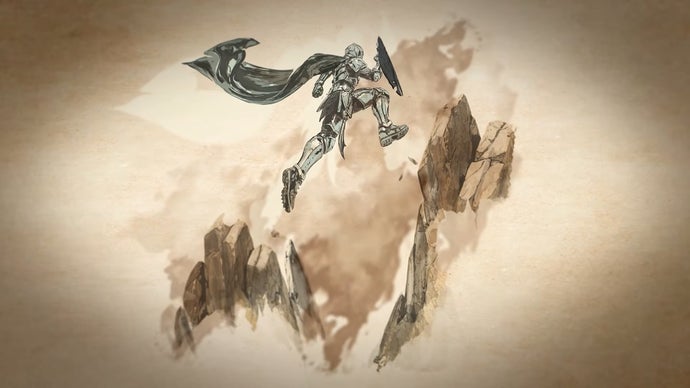
Jagex has pulled a recently released RuneScape trailer and issued an apology after fans spotted what appeared to be generative AI-created imagery in the video. The trailer, which was shown as part of RuneFest 2026 to promote RuneScape 3’s Hoard of Dragons expansion and the arrival of the Dragon Slayer II quest in 2027, quickly drew criticism online for visual errors that viewers said were clear signs of AI involvement.
The backlash centered on several unusual details in the trailer’s artwork. Although the video used a sketch-like, hand-drawn presentation, some frames included mistakes that immediately stood out to fans. Among the most widely discussed examples was a knight shown with six fingers, a classic kind of visual inconsistency often associated with AI-generated images. Another moment that caught attention featured a medieval armored character appearing to wear modern sneakers, creating an accidental and jarring contrast with the fantasy setting.
These oddities spread rapidly across social media and community forums, where players questioned how such mistakes made it into an official promotional video for one of gaming’s longest-running online worlds. RuneScape has built its reputation over decades, and its audience is especially familiar with the game’s art direction, tone, and history. Because of that, even small visual missteps can become major talking points, especially when they suggest the use of tools that many players and artists remain skeptical of.
In response to the criticism, Jagex removed the trailer from its official channels. The company also addressed the issue publicly through social manager Alex Sween, who explained that the trailer had been produced by a “trusted external partner” that had reportedly assured Jagex that generative AI would not be used in the work. According to the statement, the company acknowledged that the mistakes visible in the final trailer were impossible to ignore and apologized for the situation.
Jagex further stated that its internal position on generative AI remains unchanged. The company said it does not use generative AI to create its games, artwork, or other creative assets, and that it would not knowingly allow such material to be used on its behalf. At the same time, the incident has raised questions about oversight and quality control. Even if an outside partner was responsible for producing the trailer, many fans feel that the final review process should have caught such obvious problems before publication.
That concern is a major reason why the controversy has resonated so strongly. For many players, the issue is not only whether AI was used, but how an official marketing asset could be approved despite visible errors that clash with the game’s style and presentation. Promotional material is often the first thing players see when a major update or expansion is announced, so it carries a lot of weight. If a trailer looks careless or inconsistent, it can undermine confidence in the message the publisher is trying to send.
The debate also taps into a broader industry conversation about the use of generative AI in creative work. Game communities have become increasingly alert to signs of AI-generated art, voice work, and writing in everything from indie projects to major studio releases. Critics argue that these tools can devalue the effort of artists, introduce quality issues, and create work that feels impersonal or rushed. Supporters may see AI as a useful production aid, but public reaction often turns negative when companies appear to use it without transparency or when the results are visibly flawed.
In Jagex’s case, the problem was made worse by the contrast between RuneScape’s legacy and the trailer’s execution. This is a franchise with a long history, a recognizable visual identity, and a community that cares deeply about the world and its presentation. Fans expect promotional content to reflect that care. When a trailer includes a six-fingered knight and fantasy warriors that seem to be wearing modern footwear, it becomes difficult for players to view the release as polished or respectful of the game’s creative heritage.
Jagex has said it will overhaul its review processes following the incident. That will likely be the key point fans watch going forward. An apology can address the immediate backlash, but players will want to see whether the company improves its approval pipeline for future trailers and marketing assets. If stronger checks are put in place, Jagex may be able to reassure the community that this was an isolated mistake rather than a sign of a larger shift in its creative standards.
For now, the removed trailer serves as another example of how quickly audiences can identify and reject questionable AI-generated content, especially when it appears in official material from a major game developer. In an era when trust, authenticity, and artistic consistency matter more than ever, even a brief promotional video can spark a much larger conversation about quality, accountability, and the role of AI in game marketing.
Leave a Reply
You must be logged in to post a comment.