Fortnite’s latest Halloween crossover has ignited a heated debate, with many fans of the horror film Obsession divided over the addition of Nikki Freeman as a playable skin. The collaboration arrived as part of Fortnitemares, the game’s annual spooky-season event, and was meant to celebrate the movie’s unsettling tone and supernatural themes. Instead, it has become one of the more emotionally charged crossover discussions in recent memory.
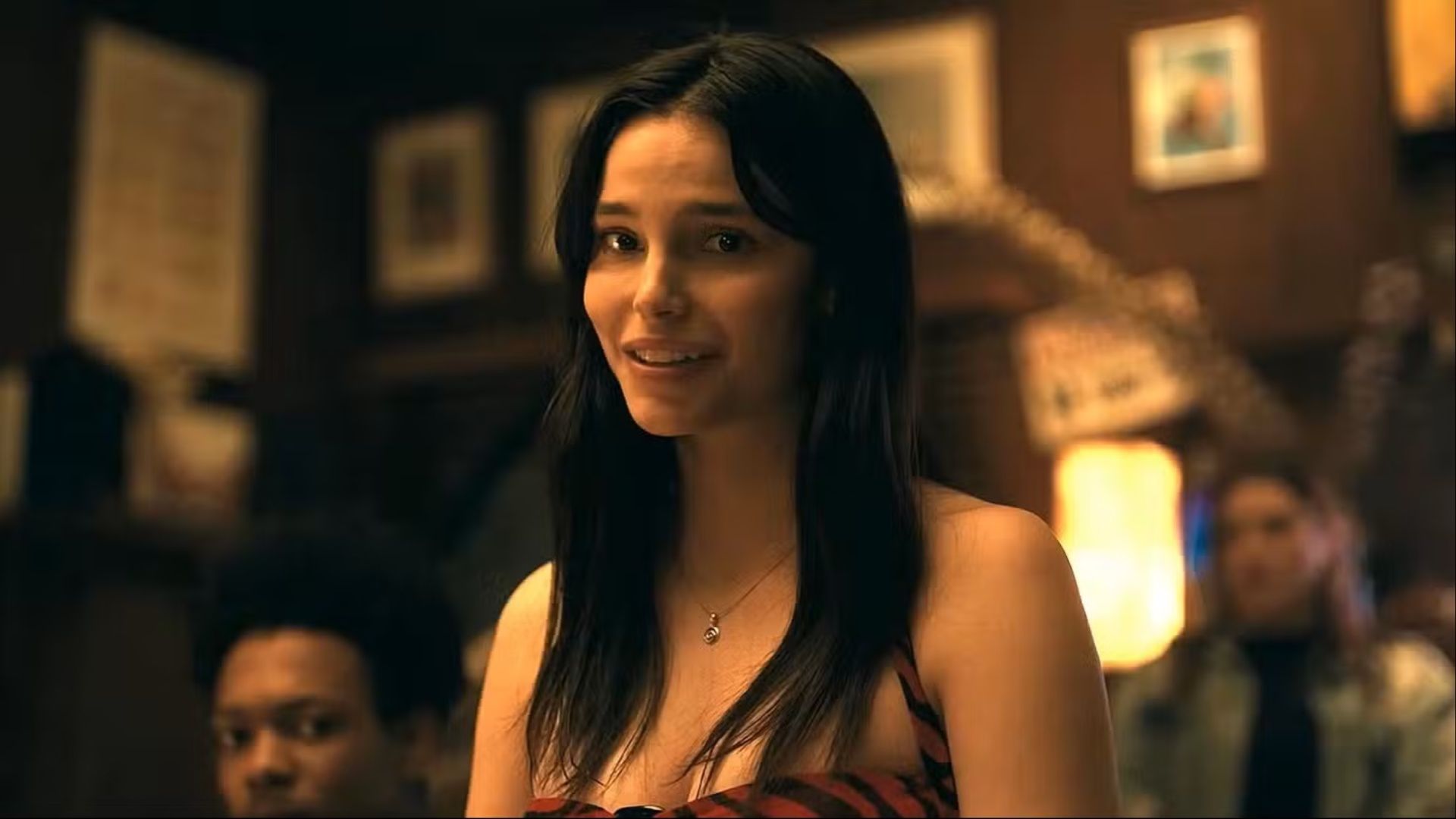
The controversy began after actress Inde Navarrette, who portrayed Nikki Freeman in Obsession, publicly expressed excitement about seeing the character appear in Fortnite. That wish eventually became reality, as Epic Games introduced a Nikki Freeman cosmetic bundle alongside other Halloween-themed content. The update also included a One Wish Willow-inspired item, referencing the cursed object at the center of the film’s story. While some players were thrilled to see the movie represented in one of gaming’s biggest live-service titles, others felt the choice of character raised uncomfortable questions.
In Obsession, Nikki is not simply a traditional horror villain. The film centers on Bear, a store clerk who harbors intense feelings for his friend Nikki. After discovering a supernatural item known as the One Wish Willow, he makes a wish that Nikki will love him above all else. The wish twists reality in a horrifying way, leaving Nikki under the control of dark magic. As the story unfolds, she becomes obsessively attached to Bear, leading to violence, terror, and tragedy. Although Nikki behaves in frightening ways throughout the film, many viewers interpret her as one of the story’s true victims rather than its main monster.
That interpretation is exactly why the Fortnite skin has become so divisive. Some fans argue that placing Nikki in a lineup of Halloween icons risks flattening her story into something more simplistic than it really is. In their view, she is a character whose body and agency were taken from her, and turning that experience into a cosmetic item for a battle royale game feels insensitive. For these fans, the issue is not that horror characters should never appear in Fortnite, but that Nikki’s specific narrative makes her inclusion feel more complicated than a standard crossover.
Others strongly disagree. Supporters of the skin say that Fortnite has always pulled from a wide range of pop culture characters, including antiheroes, tragic figures, outright villains, and survivors of horrific events. From slasher icons to supernatural killers, the game’s crossover history is filled with characters whose stories are rooted in trauma, violence, or moral ambiguity. In that context, Nikki’s addition does not stand out as uniquely inappropriate. Instead, some fans see it as a sign that the character has become memorable enough to join a larger horror conversation.
Another common argument in defense of the crossover is that Fortnite cosmetics are often separated from the full weight of their source material. Once a character enters the game, they become part of a larger pop culture sandbox where tone is constantly mixed. Serious film characters can dance, drive go-karts, or team up with superheroes and anime icons. For many players, that absurdity is part of Fortnite’s appeal. They believe the Nikki Freeman skin should be viewed through that same lens rather than as a direct commentary on the events of Obsession.
Still, the backlash highlights a broader issue that comes up whenever games adapt characters from darker stories. At what point does a crossover stop feeling like a tribute and start feeling like a commercialization of trauma? There is no easy answer, especially when the source material itself is open to interpretation. Horror has always blurred the line between victim and monster, and Nikki Freeman is a clear example of a character who exists in that gray area. That complexity is part of what made her memorable in the first place, but it also makes her difficult to translate into a mainstream multiplayer game without controversy.
The debate has also spread across social media, where fans have been arguing over whether the skin is exploitative, empowering, or simply harmless fun. Some believe that featuring Nikki gives the character a new kind of visibility and allows audiences to engage with her outside the confines of the film’s tragic plot. Others feel that reducing such a layered character to a purchasable outfit strips away the emotional context that made her story meaningful.
For now, the discussion shows no sign of slowing down. Fortnite has built its identity on unexpected collaborations, and most of them generate excitement rather than discomfort. But every so often, a crossover touches on deeper themes that players are not willing to ignore. Nikki Freeman’s arrival in Fortnitemares has done exactly that, turning what could have been a routine cosmetic release into a larger conversation about horror, representation, and the limits of adaptation in modern gaming culture.
Whether fans ultimately embrace the skin or continue to reject it, one thing is certain: this crossover has left a much bigger impression than a typical seasonal add-on. It has reminded players that even in a game known for wild mashups and playful chaos, character history still matters.
Leave a Reply
You must be logged in to post a comment.