
Tripwire Interactive has announced a new round of layoffs, confirming that 36 internal staff members are being let go as part of what the company described as a necessary workforce reduction. The decision adds to the growing list of job cuts affecting the video game industry, where studios of all sizes have continued to reduce headcount even while major projects remain in production. In its statement, Tripwire said the move was difficult and emphasized that the affected employees were valued members of the team.
According to the studio, the layoffs were not made lightly. Tripwire characterized the departing workers as talented professionals and said it intends to support them through the transition with compassion and dignity. While statements like this are now common whenever studios announce cuts, they do little to soften the broader reality that dozens of developers, artists, designers, and support staff are suddenly facing uncertainty in an already volatile job market.
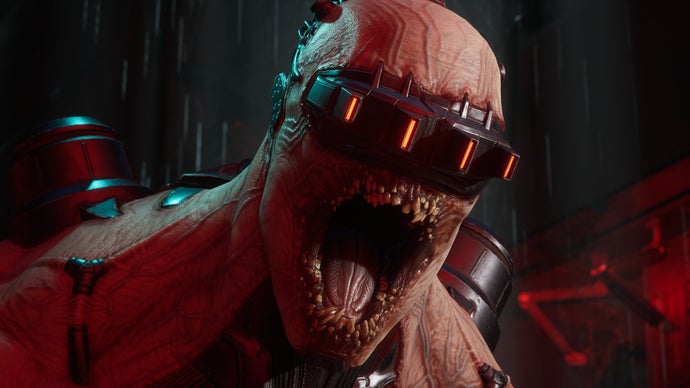
The timing of the layoffs is especially notable because they come while Tripwire continues to publicly stress the health of its active game projects. The company reassured players that development work is still moving forward on post-launch support for Killing Floor 3, and it also confirmed that Maneater 2 remains in active development. That message appears aimed at calming concerns from fans who may worry that staffing reductions could slow updates, delay content plans, or affect the future of upcoming releases.
Even so, the contrast is difficult to ignore. On one hand, the studio is telling its community that key games remain on track. On the other, it is reducing the number of people responsible for building, updating, and supporting those same projects. That tension has become increasingly familiar across the games business, where publishers and developers often present layoffs as a business necessity while simultaneously promising stability for their biggest franchises.
This latest round of cuts also arrives during a period of change for Tripwire beyond game development itself. The company recently expanded its publishing efforts with a stated interest in supporting smaller independent developers. In another context, that kind of move might have been seen as a sign of growth or diversification. Instead, paired with layoffs, it raises questions about how the studio is balancing expansion plans with internal staffing decisions.
The announcement also follows an earlier round of layoffs reported less than a year ago. Repeated cuts in such a short span can create concern not only among players and industry observers, but also among current employees who may be left wondering about long-term stability. When layoffs become recurring rather than exceptional, they can affect morale, retention, and confidence in leadership, even if a company insists that its core projects remain secure.
Tripwire’s corporate context is also relevant. The studio was acquired by Embracer in 2022, placing it within a larger organization that has been closely associated with restructuring and cost-cutting across multiple teams. While no single ownership detail explains every staffing decision, acquisitions often bring new financial expectations, shifting priorities, and pressure to streamline operations. In today’s games industry, that can translate into layoffs even at studios with recognizable brands and active releases.
For fans, the immediate takeaway is that Killing Floor 3 support is still ongoing and Maneater 2 has not been shelved. For the people affected, however, the bigger story is the loss of 36 jobs in an industry that continues to struggle with instability despite high-profile launches and ongoing demand for new content. The pattern has become all too common: a studio praises its employees, calls the decision painful but necessary, and then moves ahead with its roadmap while workers search for what comes next.
The broader issue is that layoffs in gaming are no longer isolated events. They have become a recurring feature of the business, touching blockbuster studios, indie teams, publishers, and support divisions alike. Each announcement may differ in scale, but the underlying message is often the same: companies are trying to reduce costs while preserving their most visible projects. That may reassure players in the short term, yet it also highlights a troubling imbalance between business continuity and the people who make games possible.
Tripwire’s statement may have been intended to steady its audience and protect confidence in its current lineup, but the human impact remains central. Behind every workforce reduction are individuals whose work helped shape the studio’s games and reputation. As development on Killing Floor 3 updates and Maneater 2 continues, this latest round of layoffs serves as another reminder of how fragile job security has become across the modern games industry.
Leave a Reply
You must be logged in to post a comment.