
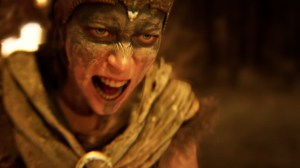
A new report suggests Microsoft may have already decided to part ways with Ninja Theory before the studio publicly revealed its next game, Senua, during the recent Xbox Games Showcase. The claim adds a sharper edge to ongoing concerns about Xbox studio restructuring, especially after reports surfaced that several teams could be shut down, spun off, or pushed toward independence as part of a broader cost-cutting effort.
According to the report, Microsoft had allegedly already mapped out plans to sunset its relationship with Ninja Theory, or potentially separate the studio from Xbox, by the time the new game was announced. The reasoning, as described, was that unveiling a fresh project could help attract outside investor interest. If true, that would mean the game’s reveal was not simply a creative milestone for the studio, but also part of a larger business strategy tied to the company’s internal restructuring.
One of the biggest unanswered questions is whether Ninja Theory’s own leadership knew about that plan when the trailer debuted. At this stage, there is no clear indication that the studio’s management was fully informed, involved, or aligned with the reported strategy. That uncertainty has fueled debate about transparency inside major publishers, especially when studios are asked to promote ambitious new work while their long-term future may already be in doubt.
The timing is what makes the situation especially striking. The reveal of Senua was positioned as an exciting next step for Ninja Theory, a studio known for cinematic action games and for building a strong identity around the Hellblade series. In promotional messaging around the project, the new game was framed as evidence that the team was continuing to evolve creatively rather than simply repeating past work. That messaging now reads very differently if the studio was already facing the possibility of closure or separation behind the scenes.
Ninja Theory leadership had also spoken about wanting to release games more consistently. That sentiment suggested a studio trying to find a sustainable rhythm after the long development cycles associated with larger, more technically ambitious productions. Rather than rushing projects, the idea appeared to be about delivering games at a steadier pace while maintaining quality. In the context of the latest report, those comments now feel bittersweet, as they point to a team attempting to adapt to modern production realities while corporate decisions may have already been moving in another direction.
The broader backdrop is Xbox’s ongoing financial and organizational reset. Microsoft’s gaming division has spent heavily over the years on acquisitions, studio expansion, and long-term platform investment. At the same time, reports indicate that revenue pressures and internal expectations have led to a push for sharper cost control. That pressure appears to have resulted in layoffs, strategic reviews, and the possibility of major changes across multiple first-party studios.
Ninja Theory is not the only name caught up in these reports. Compulsion Games, Double Fine, and potentially others have also been mentioned as studios that could be closed or spun out. In some cases, the preferred outcome may be a buyout or investment-backed path to independence rather than outright shutdown. That would offer at least some hope for staff and projects, but it is far from a simple solution. Studios leaving a major publisher need funding, operational support, publishing plans, and often legal clarity around the ownership of their existing franchises.
That last point could be critical for Ninja Theory. Even if the studio were able to separate from Microsoft, there is no guarantee it would retain control of the Hellblade universe or characters associated with it. History shows that intellectual property can become the biggest obstacle in these situations. A studio might survive in a new form, but without the franchise that made it recognizable, rebuilding momentum becomes much harder. For fans, that raises the possibility that the people behind a beloved series could continue on without the ability to keep making the games they are best known for.
There is still no final public resolution for the studios reportedly affected. The most optimistic reading is that Microsoft would rather see some of these teams find new ownership than disappear completely. Even so, that outcome depends on investor appetite, deal terms, and whether the studios can present a convincing future outside the Xbox structure. In Ninja Theory’s case, the reveal of Senua may now be seen not only as a game announcement, but as a symbol of how creative ambition and corporate strategy can collide.
For now, the future of Ninja Theory remains uncertain. What is clear is that the report has intensified scrutiny around Xbox’s handling of its studios, the messaging around new game reveals, and the difficult balance between artistic development and business realities in the modern games industry.
Leave a Reply
You must be logged in to post a comment.