
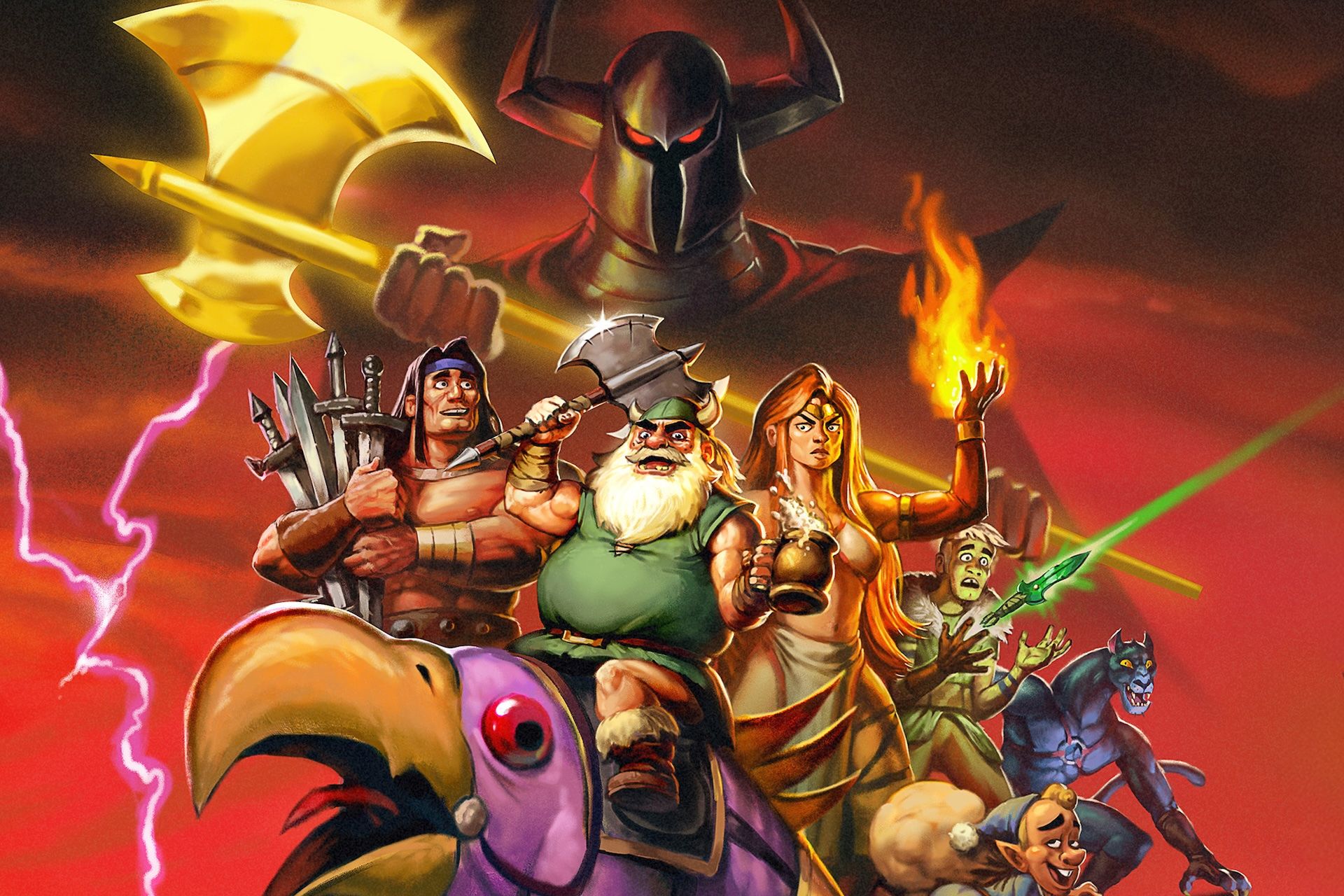
Sega’s classic fantasy brawler Golden Axe is making a comeback in a very different form, this time as a streaming comedy series. Rather than returning first as a new game or a straightforward dramatic adaptation, the property is being reimagined for television with a tone that leans into absurdity, action, and self-aware humor. Based on the first trailer and promotional material, the show appears ready to embrace the over-the-top spirit of the original arcade franchise while presenting it through a modern comedic lens.
Golden Axe first became popular in the late 1980s as a side-scrolling beat-’em-up set in a sword-and-sorcery world. Players battled through waves of enemies using warriors, magic, and giant beasts in a setting filled with barbarians, monsters, and dark fantasy spectacle. It stood out in arcades thanks to its cooperative gameplay, memorable character designs, and a world that mixed heroic adventure with exaggerated fantasy violence. For many longtime players, it remains one of Sega’s most recognizable retro properties, even if it has not enjoyed the same level of modern revival as some of the company’s other franchises.
That is part of what makes this adaptation so interesting. Instead of treating the source material as a grim fantasy epic, the new series seems to understand that Golden Axe has always had a pulpy, slightly ridiculous charm. The original games were dramatic in presentation, but they also featured the kind of larger-than-life energy that can translate well into comedy. A television version that highlights those qualities could give the franchise a fresh identity for viewers who may have never touched the arcade original.
The early footage suggests a show that is not afraid to be goofy. The visual style, character performances, and general tone all point toward a fantasy comedy that values entertainment over strict seriousness. That approach may end up being one of its biggest strengths. Video game adaptations often struggle when they try too hard to force a simple premise into prestige-style storytelling. Golden Axe, by contrast, seems more comfortable being loud, colorful, and intentionally silly. That could help it stand out in a crowded streaming landscape.
There is also a clear effort to make the series appealing to fans of animated fantasy comedies and ensemble-driven adventures. The show appears to blend action, banter, and exaggerated worldbuilding in a way that could resonate with audiences who enjoy irreverent takes on swords-and-sorcery settings. Rather than relying only on nostalgia, it looks like the adaptation wants to function as its own comedic fantasy experience. That is an important distinction, because a successful adaptation needs to work for both longtime Sega fans and newcomers who simply want a fun show to watch.
For Sega, this project reflects a broader willingness to revisit its older properties in new media. As game companies continue to explore film and television, recognizable franchises with distinctive worlds are becoming valuable adaptation targets. Golden Axe may not be the most obvious choice at first glance, but it has a strong visual identity and a simple enough premise to support reinterpretation. Heroes, villains, magic, monsters, and chaotic action are all ingredients that can be reshaped for episodic storytelling.
The comedy angle may also be a smart way to avoid some of the common pitfalls that come with adapting retro games. Older arcade titles were often built around gameplay first, with only a basic narrative framework. Expanding that into a full series can be difficult if creators feel obligated to invent heavy lore or overly serious character arcs. By choosing a comedic structure, the series can use the game’s world as a playground rather than a rigid blueprint. That freedom may allow it to capture the spirit of Golden Axe more effectively than a direct, solemn adaptation would.
Another reason this project stands out is timing. Audiences are increasingly open to unconventional game adaptations, especially when they are willing to experiment with tone. The success of recent projects has shown that viewers do not necessarily want every adaptation to follow the same formula. Some stories benefit from emotional drama, while others are better served by leaning into chaos and fun. Golden Axe looks positioned firmly in the second category, and that could be exactly what gives it personality.
Of course, much will depend on execution. A knowingly silly fantasy show still needs sharp writing, memorable characters, and enough action to justify its roots. Fans will likely want to see recognizable elements from the games, whether that means iconic weapons, familiar archetypes, or nods to the original world design. At the same time, the show will need to build its own identity beyond simple references. Nostalgia can attract attention, but it cannot carry an entire series on its own.
Even so, the early impression is promising if viewers are prepared for something playful rather than reverent. Golden Axe returning as a streaming comedy is an unexpected move, but it may also be the most fitting one. The franchise has always had a bold, exaggerated energy, and television offers a chance to amplify that in a new format. If the series can balance fantasy action with genuine humor, it could introduce one of Sega’s classic worlds to a whole new audience while giving longtime fans a strange but welcome revival.
Leave a Reply
You must be logged in to post a comment.